
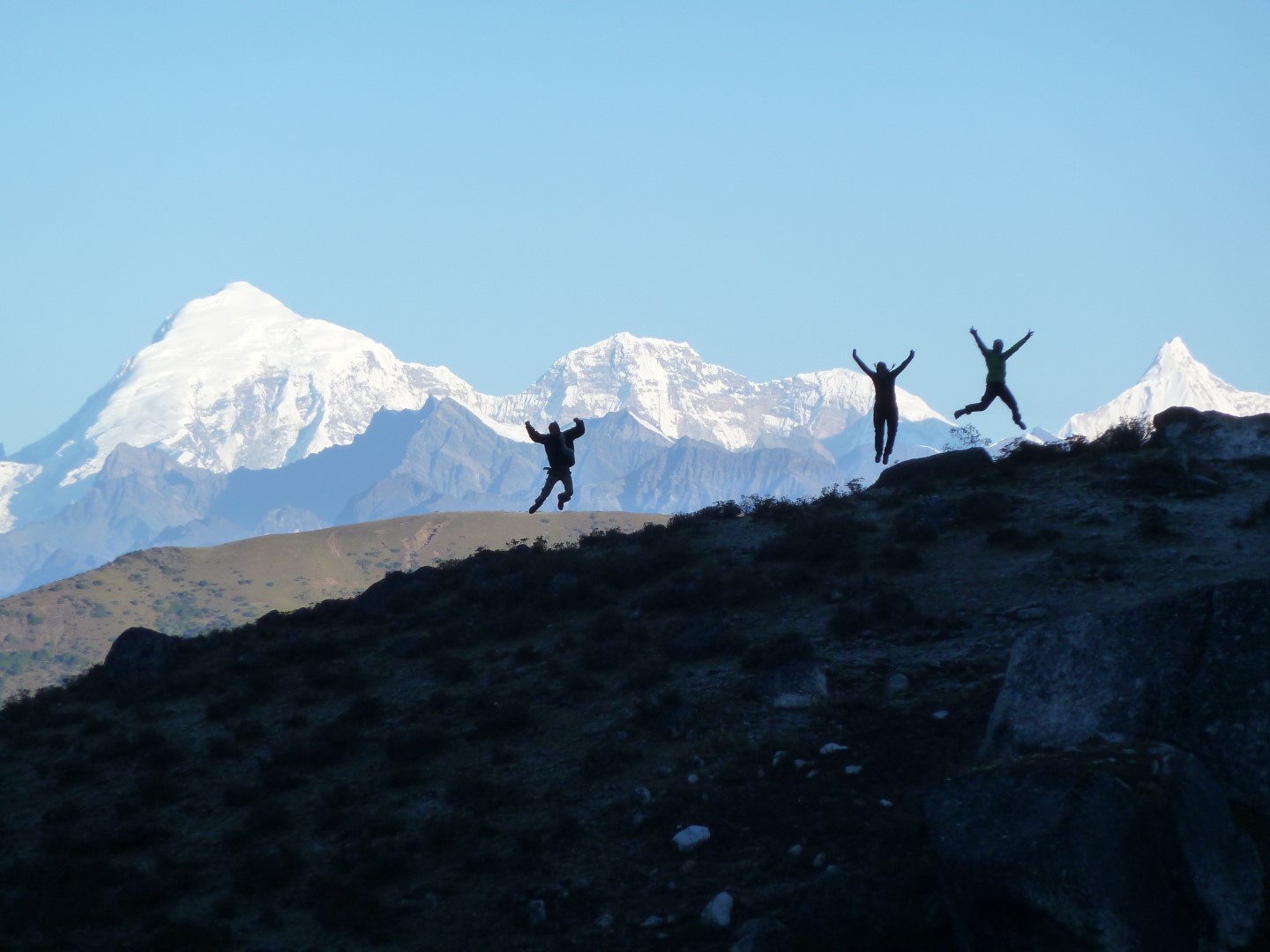
Nepal and Bhutan together form a Himalayan tapestry of serene monasteries, dramatic mountain vistas, lush valleys, and vibrant cultural heritage. A combined itinerary through these two kingdoms offers a balanced journey—full of both contemplation and natural wonder. From Kathmandu’s ancient temples to Bhutan’s sacred valleys, here’s a curated guide to the best experiences for your Himalayan adventure.
Kathmandu Valley & UNESCO World Heritage Sites
Kathmandu Valley is a living museum of art and architecture, with UNESCO‑listed treasures like Patan Durbar Square, Bhaktapur Durbar Square, Swayambhunath Stupa (Monkey Temple), Boudhanath Stupa, and Pashupatinath Temple. Each site tells a layered story of empire, spirituality, and craftsmanship. Wandering through these courtyards and stupas offers a vivid introduction to Nepal’s cultural soul.
Pokhara & Chitwan Tour – A Gentle Contrasting Experience
After Kathmandu’s bustling energy, Pokhara provides a serene lakeside atmosphere with views of the Annapurna range mirrored on Phewa Lake. Strolling along the lakeside or enjoying a boat ride is completely effortless compared to more strenuous treks like the Manaslu Circuit Trek.
A combined Pokhara‑Chitwan tour lets you pair passive nature time with wildlife. While in Chitwan you can enjoy easy access safari rides through Terai forests and spot rhinos, elephants, and birds—a relaxed alternative to high-altitude hiking and daily walking.
Everest Base Camp Helicopter Tour – An Aerial Alternative
For travelers short on time or seeking comfort, the Everest Base Camp helicopter tour offers an unforgettable vantage of Everest and the Khumbu region without the physical demands of the Everest Base Camp Trek.
In under an hour, you’ll fly over dramatic snow-capped peaks, glaciers, and remote villages, then land near Kala Patthar or Everest Base Camp for up-close views. This aerial experience delivers all the iconic visuals without uphill trekking, making it perfect for those who still want Himalayan grandeur with minimal exertion.
Paro & Taktshang (Tiger’s Nest Monastery)
Your journey in Bhutan often begins in Paro, with its dramatic mountain backdrop and high spiritual energy. Perched on a rock cliff 900 meters above the valley, Tiger’s Nest Monastery (Taktshang) is Bhutan’s most iconic pilgrimage site.
A moderately strenuous uphill walk brings you to the monastery’s courtyard. The panoramic view of Paro Valley beneath and the spiritual serenity of the temple interiors make this hike both manageable and deeply rewarding.
Phobjika Valley
Next, venture to the alpine beauty of Phobjika Valley, a scenic glacial valley known for its Buddhist monasteries and wintering black-necked cranes. The broad, rolling fields surrounded by forested hills make walking peaceful and easy.
The town has relaxing guesthouses, nature paths, and cultural talks. Phobjika offers contemplative landscapes and bird sanctuaries, contrasting sharply with busy cultural centers.
Punakha & Traditional Dzongs
Travel south to Punakha, Bhutan’s former capital, known for the magnificent Punakha Dzong situated at the confluence of the Pho and Mo Rivers. The whitewashed fortress is one of Bhutan’s architectural masterpieces.
The surrounding terraced rice fields and gentle riverbanks invite leisurely exploration and cultural immersion. The nearby suspension bridge and walk to the Chimi Lhakhang (Fertility Temple) provide accessible yet meaningful cultural experiences.
Bumthang & Sacred Himalayan Heartland
Nestled in central Bhutan, Bumthang valley is known as the spiritual heart of Bhutan. With multiple sacred sites such as Jambay Lhakhang, Kurjey Lhakhang, and Tamshing Lhakhang, along with forest monasteries like Jakar Dzong and Choekhor Valley, the area is ideal for scenic walks and visits steeped in mythology. Trails here are breathtaking and manageable, allowing reflection amid rolling valleys, ancient stupas, and rhododendron forests.
Combining Nepal & Bhutan: A Seamless Himalayan Passage
These destinations can be linked seamlessly via flights or overland routes through Siliguri and Phuentsholing in India. A suggested itinerary may begin in Kathmandu, move to Pokhara, then allow for a restful safari in Chitwan. From Pokhara you could fly to Paro, explore Tiger’s Nest, then head onward to Phobjika, Punakha, and Bumthang. This structure gives a smooth mix of meaningful culture, scenic highlights, easy walking, and even gentle thrills without the strain of high-altitude trekking.
Why This Journey Works for Every Traveler
Diversity of Landscapes and Experiences
This Himalayan passage takes you from city temples to serene lakes, from jungle plains to high valleys and monasteries. Each destination brings a new visual, spiritual, or natural flavor—from the UNESCO sites in Kathmandu to the black-necked cranes in Phobjika.
Suitable for Mixed Physical Levels
Not everyone seeks a 12‑day trek. The Everest Base Camp helicopter tour delivers the Everest experience without Everest levels of effort. The Pokhara‑Chitwan circuit provides adventure without altitude. Bhutan’s Tiger’s Nest hike is moderate, and the valleys of Phobjika and Bumthang offer gentle walking. This itinerary allows travelers of varying fitness levels to enjoy the Himalayan region fully.
Cultural Immersion Along the Way
Whether at a centuries‑old stupa in Kathmandu or in a monastic courtyard in Bumthang, each location provides cultural richness. Guides in Bhutan often explain mandala artwork, Bhutanese festivals, and monastic rituals. In Nepal, locals will share stories of Sherpa life in Khumbu or Newar traditions in Patan. Every day is a chance to connect beyond surface-level travel.
Flexibility and Time Efficiency
This itinerary can be customized. Prefer more nature? Spend an extra day in Phobjika. Prefer history? Add more time in Punakha and Bumthang. Need a quicker trip? Skip Chitwan or simplify Nepal stops. Plus, internal flights within Nepal and Bhutan—Kathmandu‑Pokhara and Paro‑Kathmandu—make transitions smooth.
Practical Tips and Travel Considerations
- Visas & Permits: Nepal grants visa-on-arrival for many nationalities, with fees starting around US $30. Entry to Bhutan requires a pre-arranged visa and tour package, usually including guide, transport, and accommodation.
- Best Season: Spring and autumn (March–May and September–November) offer ideal trekking and sightseeing weather in both countries.
- Health & Altitude: While most of Bhutan and lowland Nepal require no special acclimatization, gentle walking is recommended. For the Everest helicopter tour, altitude isn’t an issue unless you plan short walks at landing sites.
- Sustainability: Choose eco‑friendly accommodations and local tour operators. Both Nepal and Bhutan have strong conservation and cultural preservation ethics.
- Connectivity & Communication: SIM cards are readily available in Nepal; Bhutan’s mobile coverage is expanding but slower outside major towns. Download maps and guides beforehand.
- Budget & Currency: Nepal uses the Nepali Rupee, Bhutan uses the Ngultrum (tied to INR). Bhutan’s internal rates are higher due to government‑regulated tariffs.
- Health Precautions: Vaccinations and travel insurance are recommended. In Chitwan, consider anti‑malarial advice; in high valleys of Bhutan, sun protection is wise.
Summary: An Ideal Himalayan Duo
- Nepal: From spiritual sites in Kathmandu to scenic adventures in Pokhara and Chitwan, capped by the stunning heavens of the Himalayas via an Everest helicopter tour.
- Bhutan: From cliff‑top monasteries and river valleys to remote highlands and ancient dzongs, steeped in spirituality and quiet majesty.
This journey offers enchantment, ease, and awe—and the chance to witness two distinct cultures shaped by the same mountain spine. Whether you seek comfort, reflection, or panoramas, this Himalayan route delivers.