
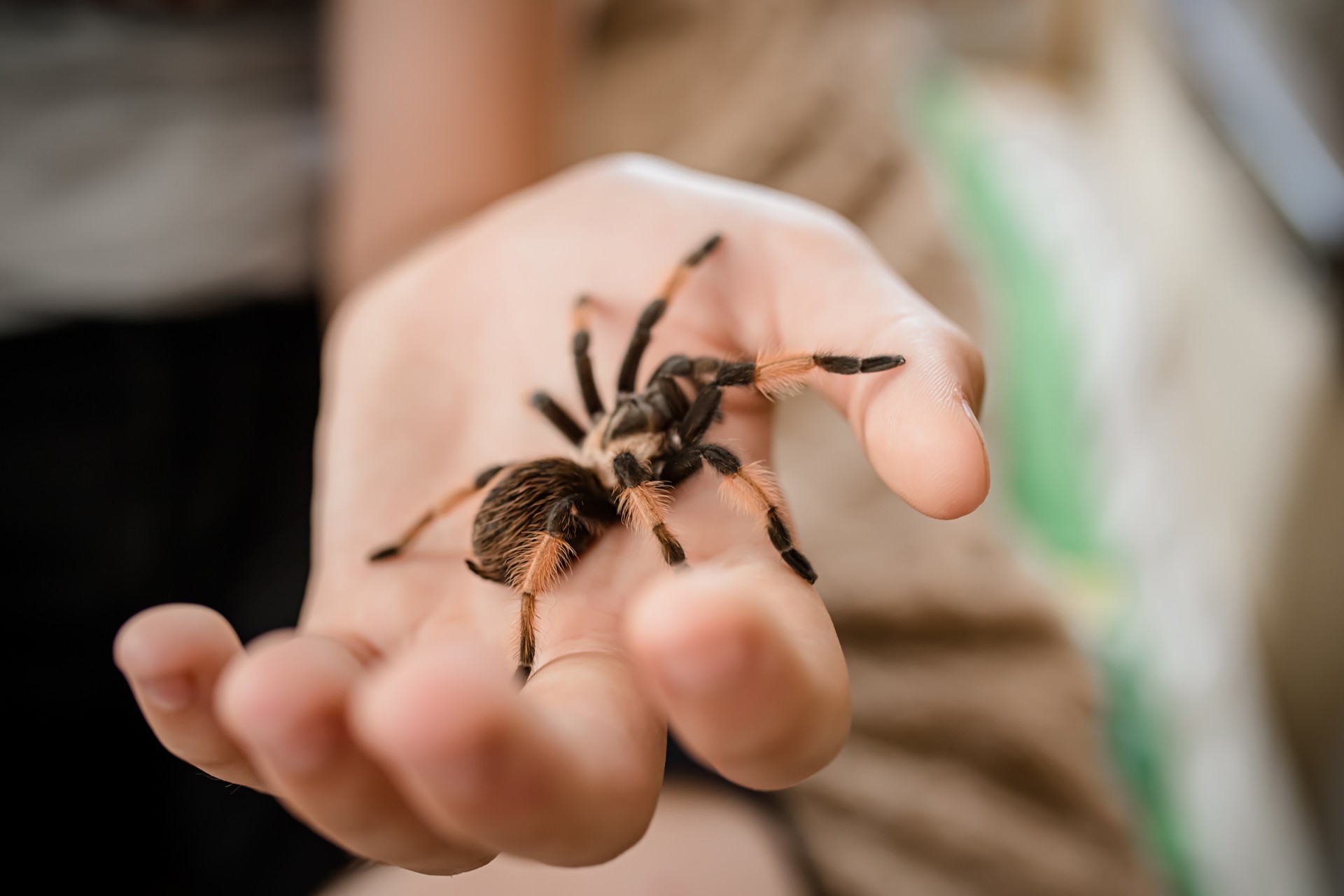
You’ve probably heard the horror stories, but let’s get real about brown recluses. These spiders are actually pretty shy, hence the “recluse” part of their name. They’re small, about the size of a quarter, with their legs spread out, and they sport a distinctive violin-shaped marking on their back. Think of them as the introverts of the spider world. They’d rather hide in your old cardboard boxes or that pile of clothes you’ve been meaning to wash than have anything to do with you.
Here’s what makes them different from your average house spider: they’re venomous, sure, but they’re not aggressive. Most bites happen when you accidentally trap them against your skin. Like when you’re putting on shoes you haven’t worn in months. Or reaching into the back of a dark closet.
When A Bite Happens: Reading the Signs
You’ll find that brown recluse bite symptoms can be tricky because they don’t always show up immediately. You might not even feel the initial bite. Some people describe it as a mild sting, while others notice nothing at all.
Within the first few hours, you might see:
- Redness at the bite site
- A small white blister is forming
- Mild itching or burning sensation
The really concerning brown recluse bite symptoms develop over 24 to 72 hours. The bite area might develop a bull’s-eye pattern: red on the outside, white in the middle, and a blue or purple center. This is your cue to get medical attention. In severe cases, the tissue can actually start to die (that’s called necrosis), creating an ulcer that takes weeks or months to heal.
Some folks experience systemic brown recluse bite symptoms too: fever, chills, nausea, or body aches. Kids tend to react more severely than adults.
Your Action Plan If You Get Bitten
First, don’t panic. Most brown recluse bites heal on their own.
Clean the area with soap and water right away. Apply ice wrapped in a cloth, never directly on your skin. This slows the venom’s spread and reduces swelling. Elevate the affected area if possible.
Take a photo of the bite every few hours. Document any changes. This helps doctors track progression if you need medical care later.
When should you actually see a doctor? If you notice increasing pain, darkening skin around the bite, or any of those systemic symptoms we mentioned. Definitely go if the bite site develops a spreading sore or you’re in a high-risk group (young children, elderly, or immunocompromised individuals).
Here’s an unconventional tip: catch the spider if you safely can. Dead or alive, bring it with you. Positive identification changes treatment approaches.
Where These Spiders Actually Live
Contrary to internet hysteria, brown recluses aren’t everywhere. They’re homebodies with specific geographic preferences.
You’ll find them primarily in the south-central United States. We’re talking Texas, Oklahoma, Kansas, Missouri, Arkansas, Louisiana, Mississippi, Alabama, Tennessee, Kentucky, southern Illinois, southern Indiana, and parts of Georgia. They love it there.
They don’t typically survive in other regions despite occasional reports. Those “brown recluse” sightings in California or New York? Usually misidentified spiders.
Within their range, they prefer undisturbed spaces. Attics, basements, closets, and garages are prime real estate. Outside, they’ll set up shop under rocks, in woodpiles, or inside sheds.
Want to avoid them? Shake out clothes and shoes before wearing them. Use sticky traps in dark corners. Reduce clutter. Seal cracks in your home’s foundation. Most importantly, remember that these spiders want nothing to do with you.