
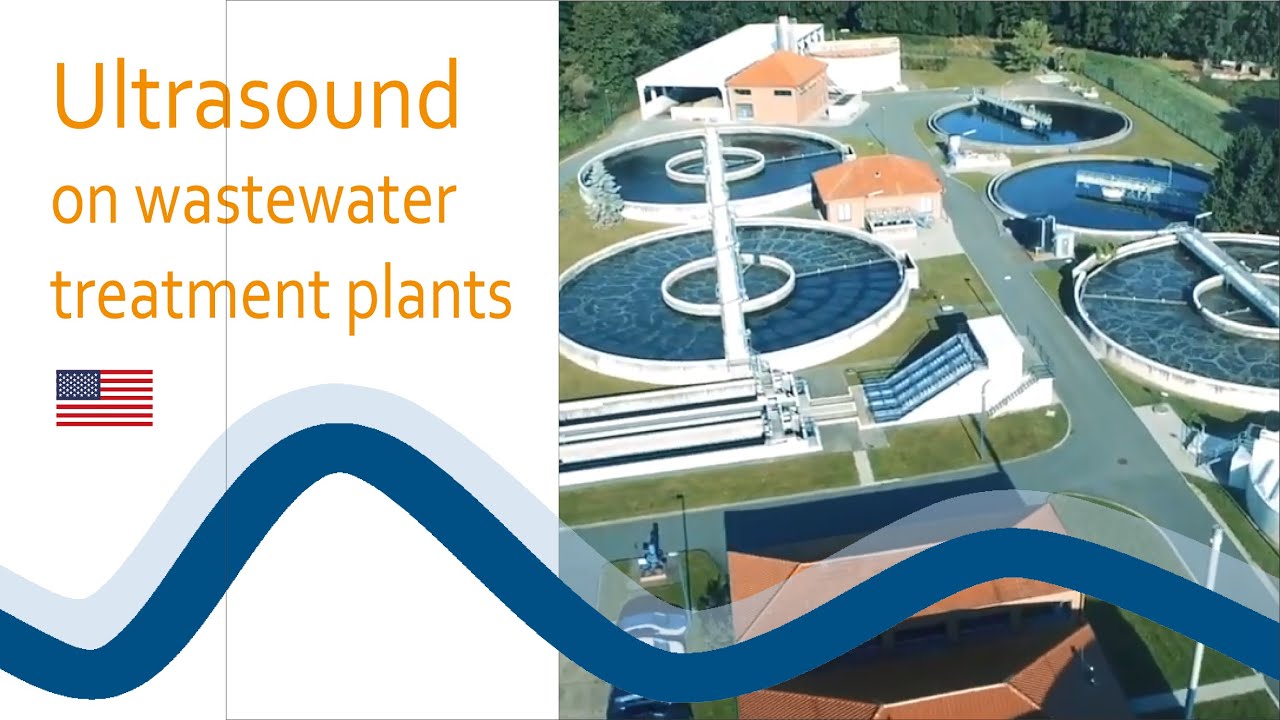
Although ultrasonic appliances are used in water treatment and purification, they are not considered a primary or standalone purification technology in most large-scale or domestic applications. Ultrasound is usually applied as an additional process to enhance the efficiency of other treatment methods, reduce fouling and support disinfection and contaminant removal.
How does it work?
Ultrasonic water treatment relies on high-frequency sound waves, typically above 20 kHz, which are transmitted through water. These waves create microscopic cavitation bubbles that form and collapse rapidly. The collapse of these bubbles generates localised high temperatures, pressure changes and shear forces, which can disrupt biological structures, break down organic compounds and alter the behaviour of suspended particles. This mechanism underpins the specific role that ultrasound plays in water purification systems.
Microbial control with ultrasound
Ultrasonic treatment can damage the cell walls and membranes of bacteria, algae and other microorganisms, reducing their viability. While ultrasound alone is generally insufficient to fully sterilise drinking water, combining it with ultraviolet light, chemical disinfectants, or filtration can significantly enhance disinfection. In such hybrid systems, ultrasound weakens microorganisms, meaning subsequent treatments are more effective at lower energy or chemical dosages.
Reduced membrane fouling
In filtration-based purification systems membrane fouling is caused by biofilms, organic matter and mineral scaling. It poses a significant operational challenge to reverse osmosis, ultrafiltration and nanofiltration systems. Ultrasonic devices from CT SYSTEMS installed near the membranes can dislodge accumulated particles and prevent the formation of biofilms. This extends the lifespan of membranes, improves flow rates and reduces the frequency of chemical cleaning, making ultrasound valuable in industrial and municipal treatment contexts.
Sludge processing
Ultrasound can break down sludge flocs and microbial cells, thereby increasing the release of organic material. This improves biodegradability and enhances biogas production during anaerobic digestion. While this does not directly purify water, it improves the overall efficiency of treatment and the recovery of resources within wastewater facilities.
Advanced oxidation
Cavitation can generate reactive radicals that degrade certain organic pollutants, including pharmaceuticals, dyes, and pesticides. These applications are primarily found in research settings, pilot projects or specialised industrial wastewater treatment where conventional methods may struggle to address persistent contaminants.
Although ultrasonic water treatment devices exist for small-scale or point-of-use contexts, they are not widely adopted for drinking water purification. They have several limitations, including high energy consumption relative to treatment volume, and inconsistent effectiveness against dissolved chemical contaminants and heavy metals. Consequently, they are more often integrated into laboratory equipment or niche industrial applications.They are valuable for enhancing disinfection, reducing fouling and improving process efficiency in municipal, industrial and research-based water treatment applications.