
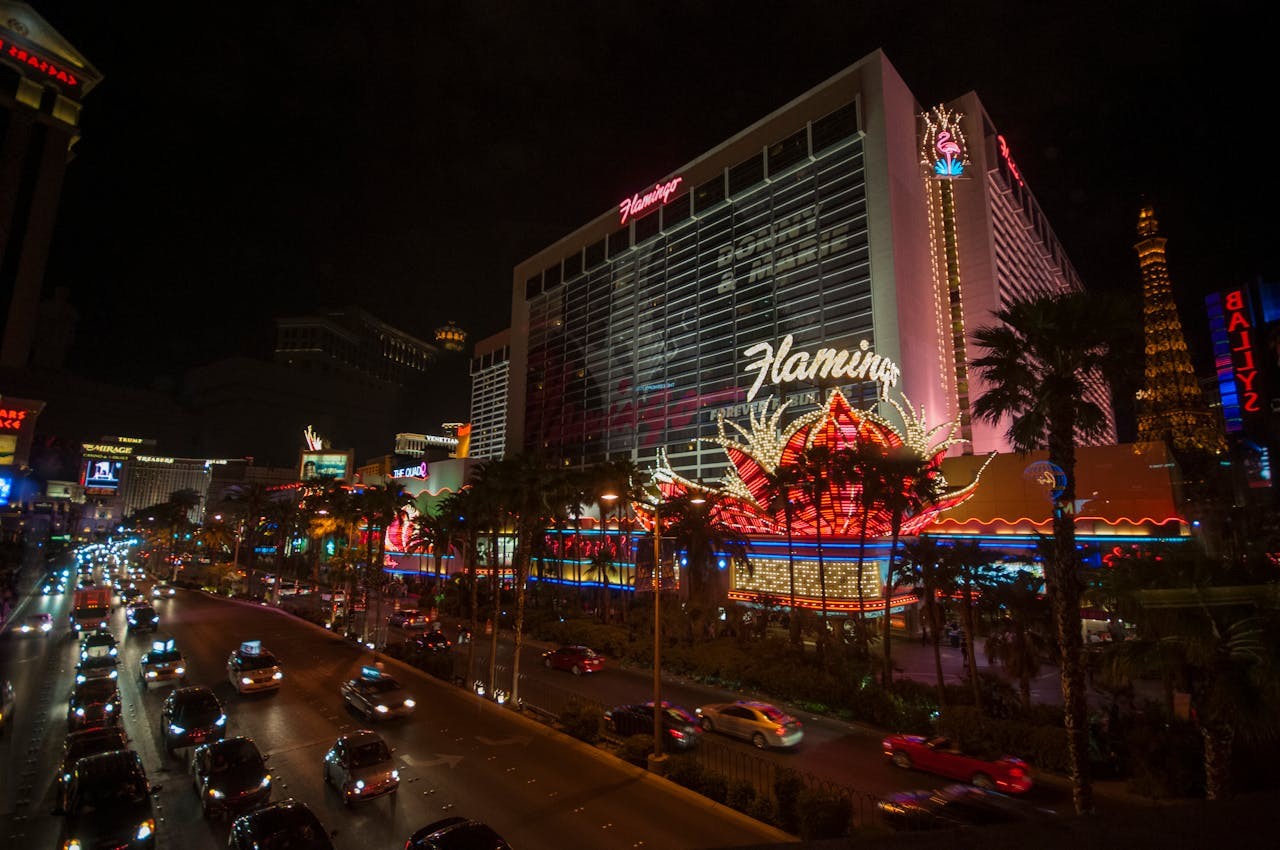
Las Vegas is famous for its energy, entertainment, and non-stop lifestyle. But with millions of visitors each year and a fast-growing local population, accidents are almost inevitable. In fact, the very things that make Las Vegas unique — crowded streets, packed casinos, late-night activities, and a service-driven economy — are the same factors that contribute to higher rates of personal injury.
As any experienced Las Vegas Personal Injury Lawyer can tell you, certain types of accidents happen far more frequently than others. Understanding these patterns can help both locals and tourists recognize risks and know their rights when something goes wrong.
Car Accidents on Busy Roads and Highways
Car accidents are by far one of the most common personal injury claims in Las Vegas. With thousands of rental cars on the roads, locals commuting daily, and visitors unfamiliar with the city layout, the chances of collisions are high.
- Traffic hotspots: The Strip, I-15, and the 215 Beltway see heavy congestion, especially during conventions or big events.
- Tourist drivers: Many aren’t used to navigating the city’s wide boulevards and quick lane changes.
- Impaired driving: The nightlife culture contributes to drunk or drug-impaired driving accidents.
These cases often involve disputes over fault, medical costs, and lost wages. Insurance companies play hardball, making legal guidance critical for injured drivers and passengers.
Pedestrian Accidents on the Strip
The Las Vegas Strip is one of the busiest pedestrian corridors in the world. Tourists frequently cross streets outside designated crosswalks, and drivers can easily become distracted by the flashing lights, billboards, and heavy traffic.
- Risk factors: Jaywalking, distracted driving, and intoxication on both sides.
- Severity: Pedestrian accidents often result in catastrophic injuries like fractures, traumatic brain injuries, or worse.
Because these cases typically involve high medical bills and long recovery times, settlements and jury verdicts for pedestrian accidents in Las Vegas can be substantial.
Casino and Hotel Slip-and-Fall Injuries
Casinos and resorts run 24/7, which means spills, crowded hallways, and constant maintenance needs. Slip-and-fall injuries are one of the most frequent types of personal injury claims inside these establishments.
Common causes include:
- Spilled drinks on casino floors.
- Wet poolside areas.
- Malfunctioning escalators or elevators.
- Poorly lit hallways and staircases.
Hotels and casinos are legally responsible for maintaining safe premises, but proving negligence can be tricky. Video footage, maintenance records, and witness statements often become crucial pieces of evidence.
Rideshare and Taxi Accidents
Uber, Lyft, and taxis are essential for getting around Las Vegas, especially for tourists avoiding rental cars. But with thousands of rides daily, accidents happen regularly.
- Complex liability: Responsibility can fall on the driver, the rideshare company, or even another motorist.
- Insurance coverage: Uber and Lyft provide additional coverage, but only under specific conditions (such as when a ride is in progress).
These cases can be complex, but they’re becoming more common as rideshares continue to dominate city transportation.
Workplace Injuries in the Hospitality and Construction Sectors
Las Vegas is a service-driven economy. Casino workers, hotel staff, and restaurant employees face risks ranging from repetitive strain injuries to slips, trips, and falls in high-traffic work environments.
In addition:
- Construction industry: With new resorts, stadiums, and housing developments constantly underway, construction accidents are also a significant source of personal injury cases.
- Workers’ compensation: Nevada law requires employers to provide coverage, but disputes over benefits and medical treatment are frequent.
These workplace injury claims highlight the importance of legal guidance when navigating workers’ comp and third-party liability cases.
Nightclub and Entertainment Venue Injuries
Las Vegas nightlife is world-renowned, but nightclubs and entertainment venues also present injury risks.
- Overcrowding can lead to trampling or falls.
- Altercations sometimes occur when alcohol flows freely.
- Inadequate security can create liability for the establishment.
These injuries often fall under premises liability law, but when alcohol service is involved, questions of dram shop liability (serving an obviously intoxicated guest) may arise.
Medical Malpractice and Nursing Home Negligence
While not as visible as casino or traffic accidents, medical malpractice and elder neglect are also common categories of personal injury in Las Vegas.
- Medical malpractice: Surgical errors, delayed diagnoses, or medication mistakes in hospitals and clinics.
- Nursing home negligence: With many retirees in Nevada, cases involving abuse, neglect, or improper care at nursing homes are regularly filed.
Medical-related claims can be especially complex due to Nevada’s legal caps on damages for certain malpractice cases, but they remain a significant part of the personal injury landscape.
Wrongful Death Claims in Las Vegas
Tragically, some accidents result in fatalities. Wrongful death claims often arise from:
- Severe car or motorcycle crashes.
- Workplace accidents in construction or hospitality.
- Fatal slip-and-fall or resort-related incidents.
In these cases, surviving family members may seek compensation for funeral expenses, lost income, and the emotional loss of a loved one.
Conclusion
Personal injury cases in Las Vegas reflect the city’s unique character — busy roads, massive crowds, high-stakes businesses, and a service economy that never sleeps. The most common cases include car and pedestrian accidents, slip-and-fall injuries, workplace claims, and incidents tied to nightlife and medical care.
For victims, knowing the patterns helps highlight risks, but more importantly, it underscores the importance of strong legal representation. In a city where powerful corporations and insurers fight hard to minimize payouts, having the right advocate can make all the difference in securing fair compensation.