

If you’ve ever dealt with tyre damage in the middle of a shift, you know how fast things grind to a halt. That’s why choosing the right tyre protection matters more than ever.
In this guide, we’ll compare the three main tyre protection alternatives you’ve probably heard of before. These include foam-filled tyres, solid tyres and chains, and each one comes with its own advantages and trade-offs.
We’ll break down the pros and cons of each option to help you figure out what works best. You’ll see where RUD Chains & Tyre Protection fits in, especially when your tyres face extreme wear. These products are widely used across mining equipment in Australia, and we’ve seen firsthand how they extend tyre life in tough conditions.
We’ll keep it simple, direct and honest so you can make the smartest choice for your fleet.
Ready? Let’s get started.
Foam-Filled Tyres: Flexible But Heavy
Foam-filled tyres are filled with a liquid called polyurethane that sets hard inside the tyre. This means they won’t go flat, even if something sharp cuts through the outer layer. You still get some bounce in the ride, which makes them more comfortable than fully solid tyres. Plus, they save you the hassle of checking the pressure all the time.
Here’s how foam-filled tyres usually perform on the job:
Pros
- They keep the normal shape and tread of a regular tyre
- You get a smoother ride than with solid tyres
- There’s less risk of slow leaks or sudden flats
Cons
- They make the tyre heavier, which puts more stress on the axles
- If they get damaged, they’re difficult to fix
- The extra weight can lead to higher fuel use on soft ground
We’ve seen some crews use a polyurethane fill kit to upgrade their old tyres on site. This works well for smaller vehicles like forklift tyres that move across mixed surfaces. Foam fill can be helpful, but it’s not always the best match for heavy-duty work. It suits lighter construction and equipment that stays on semi-rough ground.
One thing to note is that foam-filled tyres increase rolling resistance. According to a study, for every 10% increase in rolling resistance, fuel economy drops by approximately 2% during highway driving.
If your machines are constantly working in rough areas or carrying heavy loads, you might need something stronger. Let’s take a look at how solid tyres compare.
Solid Tyres for Protection
Tired of tyres going flat when you need them most? Solid tyres solve that problem straight away. Many operators choose them for rough sites where sharp rocks and scrap can tear up regular tyres fast. These are made from solid rubber, so there’s no air inside and no chance of a blowout. Also, you don’t have to keep checking the pressure every other day.
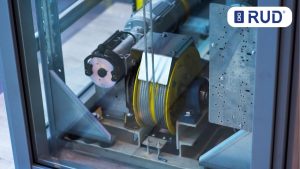
They’re built to last in places where downtime is expensive and tyres wear out fast. On tough surfaces, solid tyres hold up better and stay in action longer than regular ones.
That said, they do ride a bit rough. Since there’s no cushion, solid tyres transfer more bumps to the machine and the person driving it. If your route is short or repetitive, though, it’s not a big deal. Let’s just say no one’s putting them on their Sunday cruiser.
Based on our experience, a metal recycling yard in central Queensland switched to solid tyres on their loaders. Their tyre issues dropped by 75 per cent. The team didn’t have to check or replace tyres nearly as often, which saved both time and hassle.
You’ll find solid tyres in machine mining, forklifts, and even industrial bikes. They’re the go-to choice when you need strength and staying power more than comfort.
Now let’s look at an option that doesn’t replace your tyres but protects them while letting them flex with the terrain.
Why Tyre Chains Work Better for Excavators and Mixed Terrain
Excavators deal with all kinds of surfaces. One minute it’s dry gravel, the next it’s soft clay or slick rock. That’s where tyre chains can really help. They don’t replace your tyres. Instead, they work with them to give more grip and protect against damage, especially in places where the ground changes all the time.

Here’s what makes tyre chains so useful:
- Chains move with the ground and help your tyres hold traction on loose or uneven surfaces
- Sidewalls get a layer of protection from sharp edges that would normally cut through the rubber
- When conditions improve, you can take the chains off or move them to another machine
We worked with a mine site where loader tyres kept wearing out fast. After switching to chains, the tyres lasted longer, and drivers felt safer starting shifts on wet ground. One of the crew joked they should come with a seatbelt just for the traction.
Pro tip: Make sure your chains are tensioned properly. Loose chains wear out more quickly and can throw off the balance of your machine, especially at higher speeds.
Chains are simple to install, easy to manage, and built for work sites that keep changing. If your equipment faces more than one type of ground in a single shift, this is a smart way to keep things moving.
Picking What Works Best for Your Fleet
When it comes to tyre protection, there’s no single option that fits every job. Each type has its own strengths. The right choice depends on your ground conditions, your equipment and how often your tyres take a beating.
Foam-filled tyres reduce the risk of flats while still offering some comfort. Solid tyres are built for tough ground. They handle wear better and last longer, especially on repetitive routes or harsh surfaces. And, tyre chains offer flexibility. They protect what you already have and give you more grip and control when the terrain keeps changing.
So, now you know what each option brings to the table. The best decision is the one that keeps your machines moving and your team working with fewer stops.
And if you are still confused, we’re here to help you work through it.