
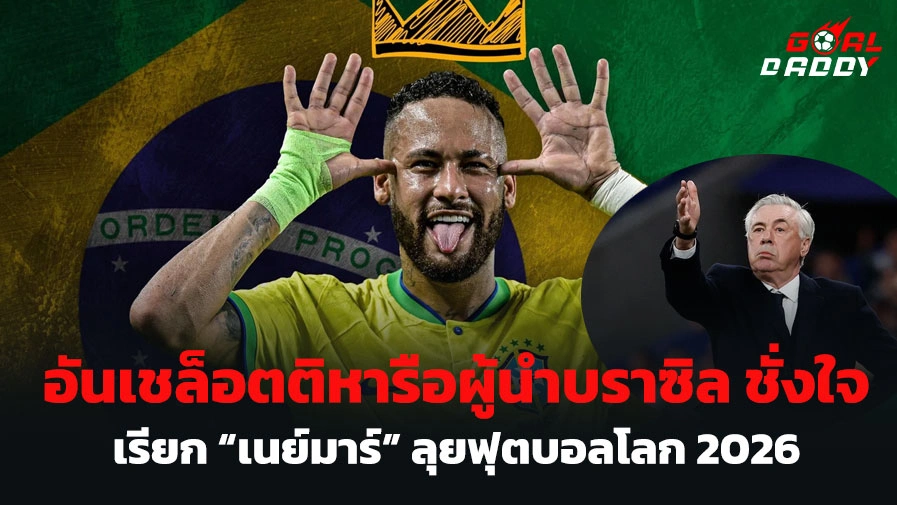
The World Cup often arrives at a critical moment in a player’s career, especially when a major contract decision is approaching. For viewers, this creates a unique layer of interpretation, where performance is influenced not only by tactics but also by risk management, physical caution, and selective intensity during matches.
Why Injury Risk Alters Decision-Making
Players aware of their physical vulnerability tend to adjust how they engage in high-risk situations. This does not mean withdrawing from competition, but rather recalibrating when and how to commit.
On the pitch, this appears in fewer aggressive tackles, more controlled duels, and quicker ลิงค์ดูบอลสด goaldaddy releases under pressure. Viewers can detect this by comparing how often a player enters contested situations versus choosing safer alternatives.
How Attacking Play Becomes More Selective
In attacking roles, risk management often leads to a shift toward efficiency. Players may reduce speculative actions and focus on moments with higher probability of success.
This results in fewer shots but often from better positions. When watching closely, you will notice attackers delaying decisions slightly to improve shot quality, which can influence expected goals patterns even if total attempts decrease.
Defensive Behavior Under Physical Caution
Defensive contributions are particularly sensitive to injury concerns. Players may prioritize positioning over direct challenges, aiming to intercept rather than tackle.
This creates a subtle change in defensive shape, where space is managed more conservatively. Viewers should watch how defenders maintain distance and rely on timing rather than physical confrontation.
Watching Matches Live to Identify Risk-Aware Play
When you watch ดูบอลสด, these adjustments become visible through hesitation patterns and body orientation during key moments. A player might track back but avoid full-speed recovery runs, or approach duels with a delay that allows teammates to engage first. These micro-decisions accumulate, shaping the overall tempo and intensity of the match.
By focusing on how quickly players commit to actions—whether pressing, tackling, or shooting—you can identify who is managing risk and how it affects team dynamics.
Key Indicators of Contract-Aware Performance
Recognizing these behaviors requires attention to consistent patterns rather than isolated moments. They often emerge across multiple phases of play.
- Reduced frequency of sliding tackles or high-impact challenges.
- Preference for staying on feet during defensive actions.
- Delayed acceleration in contested situations.
- Higher selectivity in shooting opportunities.
- Increased reliance on positional awareness over physical duels.
These indicators suggest a calculated approach to performance, where maintaining availability becomes as important as immediate impact. When tracked over a full match, they reveal how players balance visibility with self-preservation.
Comparing Output and Efficiency Under Pressure
Statistical trends help illustrate how this balance affects measurable performance during tournaments.
| Player Context | Avg xG per Match | Shots per Match | Key Trait |
| Contract-secure players | 0.6 | High | Aggressive, high volume |
| Contract-sensitive players | 0.5 | Lower | Selective, efficient |
The slight reduction in shot volume is often offset by improved shot quality. For viewers, this means focusing on chance construction rather than quantity, as efficiency becomes the defining characteristic of these performances.
Where This Approach Can Break Down
Excessive caution can reduce a player’s effectiveness, particularly in high-intensity matches where quick, decisive actions are required. Hesitation can disrupt attacking flow or allow opponents to exploit small delays.
This becomes visible when players miss pressing triggers or fail to commit fully in transitional moments. Viewers should watch for sequences where delayed reactions lead to lost opportunities or defensive instability.
When Caution Disrupts Team Structure
If multiple players adopt similar risk-averse behaviors, the entire team can lose intensity. This results in slower tempo, reduced pressing cohesion, and increased space for opponents to exploit.
How Teams Adapt to Protect Key Players
Coaches often adjust tactical systems to reduce physical demands on players in sensitive contract situations. This may include deeper defensive lines or structured possession phases that limit exposure to high-risk actions.
In matches, these adaptations appear as reduced pressing intensity and more controlled build-up play. Viewers can identify these changes by observing team spacing and tempo compared to earlier performances.
Interpreting Performance Without Misjudgment
Understanding the influence of contract pressure requires separating visible effort from strategic restraint. A player may appear less active but still contribute effectively through positioning and decision-making.
- Track involvement in key phases rather than total activity.
- Observe decision speed in high-pressure moments.
- Compare physical engagement to tactical contribution.
- Identify whether efficiency compensates for reduced intensity.
This approach allows viewers to interpret performances with greater accuracy, recognizing underlying constraints rather than assuming decline.
Summary
Contract pressure at the World Cup influences how players manage risk, shaping decision-making, intensity, and tactical involvement. These effects appear in selective attacking play, cautious defending, and controlled physical output. By focusing on timing, efficiency, and engagement patterns, viewers can better understand how external factors shape on-pitch behavior during the tournament.