
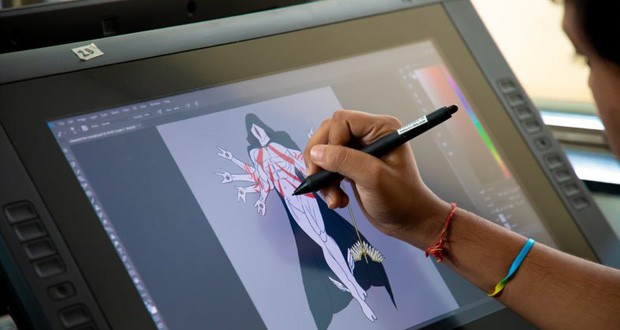
India’s animation, visual effects, and gaming industry has grown steadily, driven by demand from films, streaming platforms, advertising, and digital content. As more students explore careers in creative technology, choosing the right institute has become an important step in building the right skills and securing long-term career opportunities.
The AVGC (Animation, Visual Effects, Gaming, and Comics) sector in India is expected to see strong expansion, with rising demand for trained professionals across multiple creative roles. This growth highlights the need for institutes that focus on practical training and industry readiness.
For students beginning their research, reviewing options such as the leading animation institute in India can help build an initial understanding before evaluating specific institutes in detail.
In this blog, you’ll find how leading animation institutes in India structure their learning approach and what sets them apart in preparing students for real-world careers.
Understanding the Learning Approach in Animation Education
Animation education today goes beyond teaching software tools. It involves building a strong foundation that combines creativity, technical knowledge, and storytelling.
A structured learning approach typically includes:
- Concept development and visual thinking
- Animation principles and motion study
- Software training and technical execution
- Project-based learning
Students who follow a well-rounded learning path are better equipped to handle real production environments and evolving industry demands.
What Defines the Learning Approach of Leading Animation Institutes?
Leading institutes focus on preparing students for professional roles rather than just completing coursework.
Here are the key elements that define their approach:
1. Concept-first learning before software training
Top institutes focus on teaching core concepts before introducing software tools. This includes:
- Principles of animation
- Storyboarding and visual storytelling
- Character design fundamentals
Understanding these basics helps students apply their skills more effectively when working with software.
2. Project-based and experiential learning
Animation skills improve through practice and real-world application. Leading institutes emphasise:
- Hands-on projects
- Real-world assignments
- Collaborative team work
- Simulated studio workflows
This approach helps students understand production pipelines and build confidence.
3. Integration of multiple disciplines
Animation is not limited to a single skill set. It combines multiple disciplines. Students are trained in:
- Art and design
- Technology and software
- Storytelling and narrative development
This interdisciplinary approach prepares students for diverse roles in the industry.
4. Continuous feedback and portfolio development
Regular feedback plays an important role in improving skills. Good institutes provide:
- Ongoing project reviews
- Constructive feedback sessions
- Portfolio guidance
This helps students refine their work and build a strong portfolio over time.
5. Exposure to real industry practices
Understanding how studios operate is essential for career readiness. Leading institutes:
- Introduce students to production pipelines
- Conduct industry workshops
- Invite professionals for guest sessions
This exposure helps students transition smoothly into professional environments.
6. Focus on career readiness and employability
Career-focused institutes align their teaching with industry needs. They offer:
- Placement support
- Interview preparation
- Portfolio presentation training
According to Statista, the global animation market is expected to grow steadily, creating increasing demand for skilled professionals across industries. Institutes that align their training with these trends improve student outcomes.
Types of Learning Models Followed by Top Institutes
Different institutes adopt different teaching models depending on their approach and focus.
1. Studio-based learning model
This model simulates real studio environments.
Students:
- Work on projects in teams
- Follow production timelines
- Learn industry workflows
This prepares them for real-world job scenarios.
2. Modular learning approach
Courses are divided into modules focusing on specific skills.
Examples include:
- 3D modelling
- Animation techniques
- VFX compositing
This allows students to build skills step by step.
3. Hybrid learning model
Some institutes combine classroom learning with online resources.
This includes:
- Recorded lectures
- Online assignments
- Interactive sessions
This model offers flexibility while maintaining structured learning.
Role of Faculty in Shaping Learning Outcomes
Faculty members play a critical role in delivering quality education. Experienced instructors:
- Provide practical insights
- Share industry experience
- Guide students through projects
Learning from professionals helps students understand real-world challenges and expectations.
Importance of Infrastructure in Learning
Infrastructure directly impacts the quality of training. Students should look for:
- High-performance computer labs
- Licensed industry software
- Dedicated animation and VFX studios
Access to the right tools ensures effective skill development.
How to Evaluate Animation Institutes Effectively
Choosing the right institute requires careful evaluation beyond marketing claims. Students should consider:
- Academic credibility: Check whether the institute is recognised by universities or accrediting bodies and follows a structured course design.
- Student outcomes: Review awards, competition participation, and the overall quality of student portfolios.
- Alumni success: Look for graduates working in reputed studios or contributing to major projects.
- Industry connections: Evaluate partnerships with studios and the availability of internship opportunities.
These factors provide a clearer picture of long-term value.
Importance of Industry Exposure
Industry exposure helps students understand real-world expectations.
Leading institutes provide:
- Internship opportunities
- Live projects
- Industry collaborations
These experiences help students build confidence and professional networks.
Building a Strong Portfolio Through Structured Learning
A strong portfolio is essential for entering the animation industry. Institutes support students by helping them:
- Work on diverse projects
- Showcase technical and creative skills
- Develop a unique style
- Receive continuous feedback
A well-developed portfolio increases employability and helps students stand out.
Common Mistakes Students Should Avoid
Students often make decisions without proper research. Avoid:
- Choosing institutes based only on fees
- Ignoring curriculum details
- Overlooking faculty experience
- Not checking placement records
Careful evaluation helps students make better decisions.
Tips for Students from Smaller Cities
Students from non-metro areas may face additional challenges. Helpful steps include:
- Exploring institutes in major cities
- Planning for relocation expenses
- Attending local workshops
- Considering online learning options
With proper planning, students can access quality education.
Balancing Creativity and Technical Skills
Animation requires a balance between creativity and technical expertise. Students should focus on:
- Learning animation principles
- Mastering software tools
- Practising storytelling
- Working on real projects
Institutes that support both aspects prepare students for diverse roles.
Final Thoughts
Leading animation institutes in India stand out because of their structured learning approach, practical training methods, and strong focus on career readiness. Students should evaluate institutes based on curriculum quality, learning models, faculty experience, industry exposure, and infrastructure.
By selecting an institute that prioritises hands-on learning and portfolio development, students can build the skills needed to succeed in animation, VFX, and related fields.