
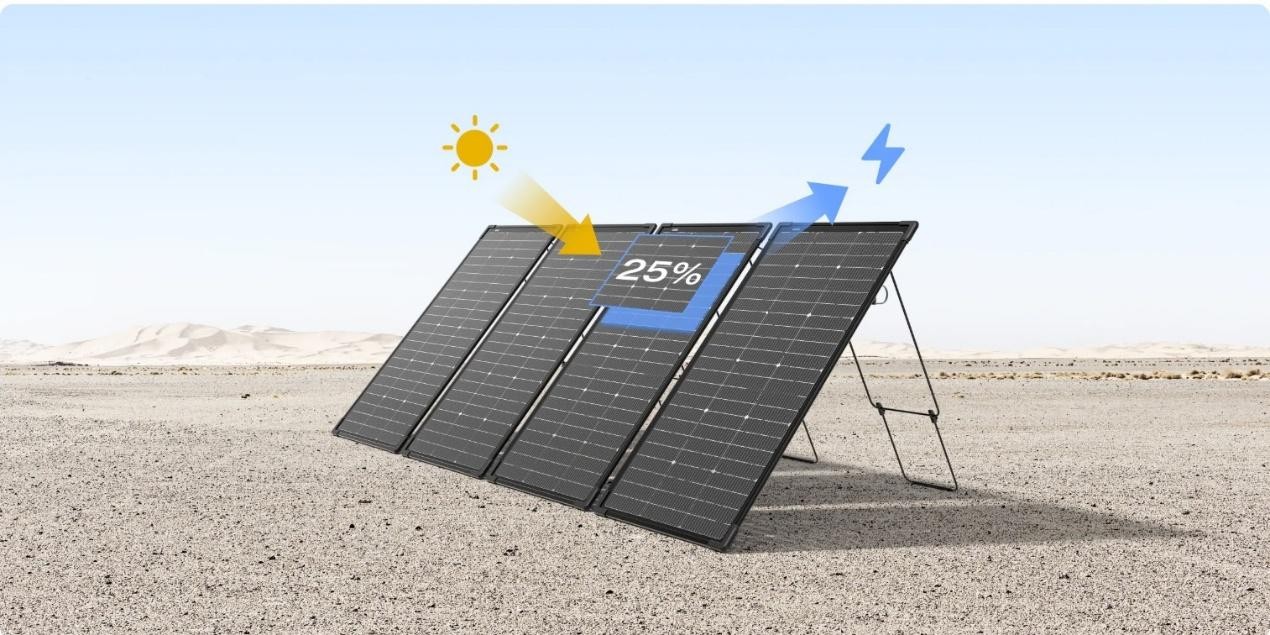
Bifacial solar panels have transformed the solar energy sector. In contrast to standard monofacial panels, which only collect sunlight from the front, bifacial panels can absorb sunlight from both the front and back, considerably boosting their energy production. This innovative technology uses reflected light from surrounding surfaces, such as the ground or other structures, to improve overall performance. As the need for clean, renewable energy grows, bifacial solar panels provide an innovative alternative for people and companies looking to improve efficiency and reduce long-term costs in their solar energy systems.
What Are the Key Benefits of Bifacial Solar Panels?
Improved Energy Output
Bifacial solar panels produce more energy than monofacial ones. By capturing sunlight from both sides, they can gather reflected sunlight from the ground, roofs, or surrounding surfaces. This results in a significant boost in energy generation, particularly when installed in places with highly reflecting surfaces, such as snow-covered regions or light-colored rooftops. Because of their capacity to generate electricity from both sides, bifacial panels may achieve greater energy yields, making them a good choice for increasing solar installation efficiency and supplying more power without taking up extra space. Homeowners can further enhance savings by securing the best electricity price to complement their solar system’s performance. This combination ensures maximum return on investment and long-term energy cost reduction.
Incorporating bifacial solar panels into your energy strategy can significantly enhance efficiency and sustainability. For residents in Danville, CA, North Valley Solar Power offers expert installation services that maximize the benefits of these advanced panels. By capturing sunlight from both sides, bifacial panels increase energy output, making them an ideal choice for those looking to optimize their solar investment. This innovative technology not only reduces energy costs but also contributes to a greener environment, aligning with the growing demand for renewable energy solutions. Embracing bifacial solar panels is a forward-thinking decision that supports both economic and environmental goals.
Long-Term Durability and Reduced Degradation
Bifacial solar panels are noted for their high lifetime and low degradation rates. Their design allows them to withstand tougher environmental conditions than ordinary solar panels. Their dual-facing construction reduces exposure to factors such as moisture and dirt collection on the back, reducing performance degradation over time. This resilience is especially useful in environments with harsh temperatures or high humidity levels. Reduced deterioration also means that the panels keep their energy production for longer, providing greater dependability and a higher return on investment over time, resulting in cheaper maintenance and replacement expenses.
Optimal for Various Installations
Bifacial solar panels are extremely adaptable, making them appropriate for a wide range of applications, including residential rooftops and large-scale commercial solar farms. They may be deployed on a variety of surfaces, including flat rooftops, ground-mounted arrays, and vertical facades. Their distinct form makes optimum use of both direct and reflected sunlight, which is especially useful in wide spaces or installations with high light reflection. Whether you want to put solar panels in an urban or rural setting, bifacial panels can adapt to changing conditions and maximize energy generation.
How to Maximize the Performance of Bifacial Solar Panels?
Installation and Placement Tips
Installing and positioning bifacial solar panels strategically is essential to maximizing their performance. Adjust the tilt and orientation of the panels according to local sunshine patterns to make sure they are positioned to catch the most sunlight. Better exposure to both direct and reflected sunlight is possible when they are installed at an ideal angle. In order to minimize shade from nearby units, which can lower energy output, it’s also critical to take into account the distance between panels. When bifacial panels are positioned correctly, they catch the maximum amount of reflected light, which greatly increases energy efficiency.
Ensuring Proper Ground Reflection
Ground reflection is an important aspect in optimizing the performance of bifacial solar panels. The surface underneath the panels has a considerable impact on the quantity of reflected sunlight they can absorb. To maximize energy yield, select installation locations with highly reflecting ground surfaces, such as white gravel, concrete, or even snow-covered regions. The more the ground, the more sunlight is reflected back to the rear side of the panels. Regular maintenance, such as cleaning the ground surface, enables optimum light reflection while preventing dust collection, which can limit the efficacy of reflected sunlight.

Choosing the Right Materials for Bifacial Panels
Choosing the right materials for bifacial solar panel installations is essential to enhance their performance. Choose high-quality bifacial panels with translucent backsheets, which enable sunlight to penetrate through to the rear side of the panel. Choose sturdy mounting solutions and structures to guarantee that the panels are stable and can survive a variety of weather conditions. Materials that provide optimum ventilation surrounding the panels are also beneficial because they lower the danger of overheating and enable effective heat dissipation. Investing in high-quality materials guarantees that the bifacial panels continue to work properly for an extended period.
Conclusion
Bifacial solar panels are a significant advancement in renewable energy, providing increased efficiency, long-term durability, and adaptability in a variety of setups. Their capacity to absorb sunlight from both sides results in increased energy production, making them an excellent choice for optimizing solar energy systems. For homeowners looking to maximize savings, understanding local electricity pricing—such as peco residential rates—can help determine the potential return on investment. Users may further boost the benefits of bifacial panels by carefully installing, positioning, and selecting materials that enhance their performance. Whether you’re a homeowner or a business owner, investing in bifacial solar panels is a sustainable and cost-effective way to harvest clean energy while helping to create a cleaner future.