
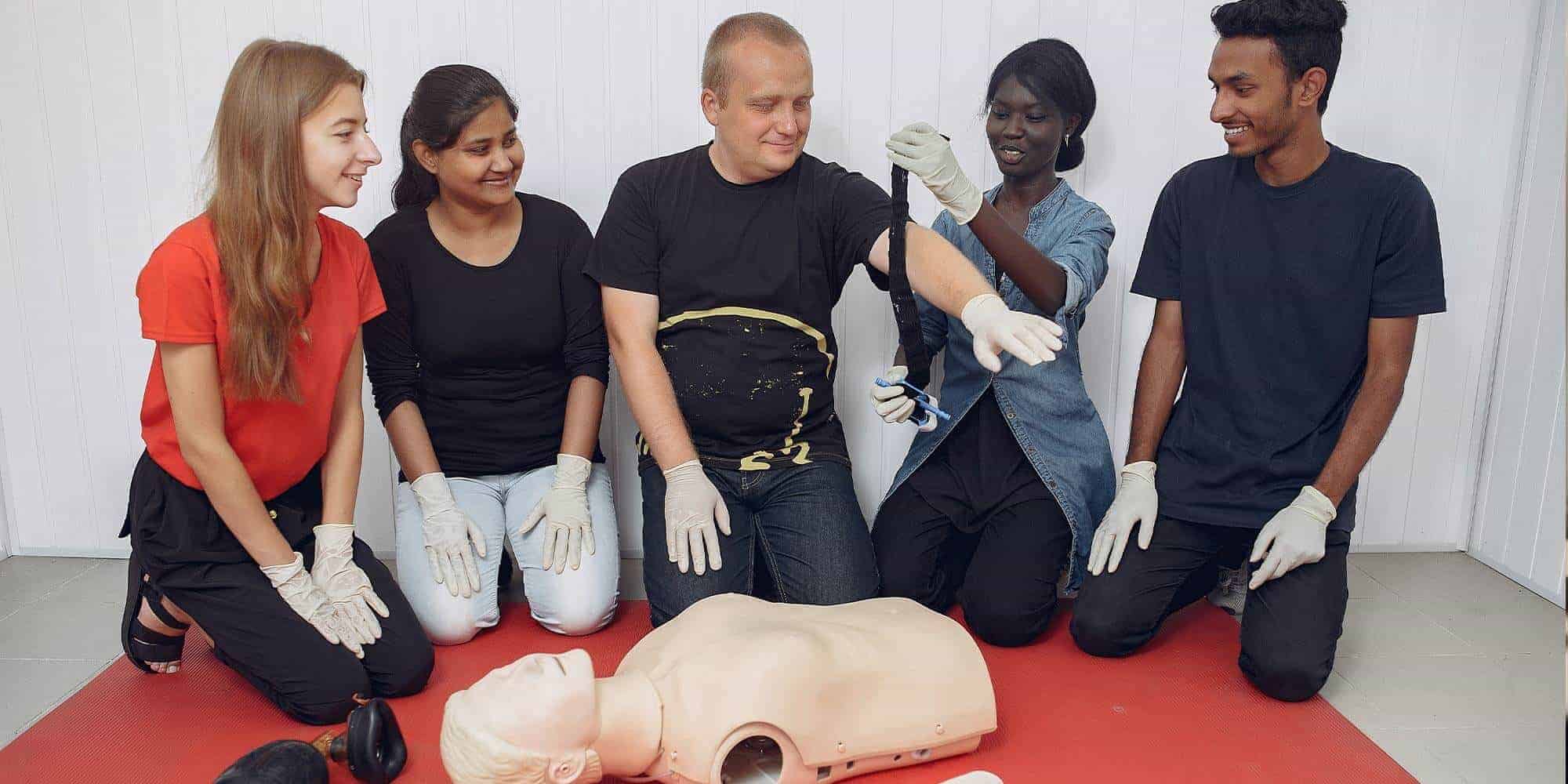
A safe workplace is not just a matter of luck or good fortune—it’s a result of deliberate planning, consistent training, and a shared commitment across all levels of an organization. While safety protocols and equipment play important roles, it’s the people on the ground who often make the difference during emergencies. One of the most effective ways to empower employees and foster a safety-first environment is through comprehensive first aid training.
In today’s fast-paced and often high-stress work environments, emergencies can occur at any time. Whether it’s a sudden cardiac arrest, a fall, or a severe allergic reaction, having trained staff who know how to respond quickly and correctly can mean the difference between life and death.
Why First Aid Training Matters in the Workplace
Accidents don’t wait for emergency responders. In many cases, the first person on the scene is a coworker—and if that coworker is trained in first aid, they can take immediate action to stabilize the situation.
Here’s why first aid training is essential for every workplace:
- Reduces response time during emergencies
- Improves survival rates for serious conditions like cardiac arrest
- Boosts employee confidence and morale
- Creates a proactive safety culture
- Reduces the severity of injuries and recovery time
Training also ensures employees know how to use on-site equipment such as automated external defibrillators (AEDs), fire extinguishers, and emergency kits.
Key Elements of a Workplace First Aid Program
A successful first aid training initiative should be tailored to the specific needs and risks of the organization. While some offices may prioritize CPR and AED use, industrial settings might focus on burns, fractures, or chemical exposures.
Components of a robust program include:
- CPR and AED certification
- Basic wound care and burn management
- Choking response techniques
- Recognition and response to strokes and heart attacks
- Evacuation protocols and communication during emergencies
Ongoing training, periodic drills, and refreshers are necessary to keep knowledge sharp and current.
Legal Requirements and Compliance
Occupational safety regulations in most jurisdictions require some level of first aid preparedness in the workplace. These requirements often vary by industry, number of employees, and worksite hazards.
For example, many jurisdictions mandate that:
- A specific ratio of trained staff be present during all work hours.
- Clearly marked and easily accessible first aid kits are maintained.
- Records of training and incidents are properly documented.
Companies that fail to comply risk not only financial penalties but also the safety of their employees.
To meet these regulations, many organizations turn to university and certified programs such as Carleton University’s First Aid Courses, which offer comprehensive, standards-based training for groups and individuals.
Training Delivery Methods: Onsite vs. Online
Modern first aid training can be delivered in various formats to accommodate different learning styles and workplace schedules.
- Onsite training brings instructors directly to the workplace, allowing customized sessions in a familiar environment.
- Online and blended learning options offer flexibility, with virtual lessons followed by in-person assessments.
- Scenario-based training focuses on real-world simulations to improve decision-making under pressure.
Choosing the right format depends on the nature of the work and the availability of employees to participate.
Creating a Safety-Minded Workforce
First aid training should not be viewed as a checkbox activity. To truly build a culture of safety, organizations must embed safety awareness into their daily operations and values.
Strategies to reinforce this mindset include:
- Encouraging open communication about hazards
- Recognizing and rewarding safe behavior
- Regular safety meetings and reminders
- Posting emergency procedures visibly around the office
- Appointing safety champions or first aid coordinators
In one case, a company rolled out department-specific drills based on prior incidents and saw not only reduced injuries but also improved team cohesion.
An interesting aside—during one workplace assessment for cpr toronto training providers, it was noted that simply placing defibrillators in visible, central locations significantly increased the perceived readiness of staff, even though actual usage remained infrequent.
Benefits Beyond the Workplace
What’s learned at work doesn’t stay at work. Employees trained in first aid carry that knowledge into their homes and communities. They become capable responders not just for coworkers, but for friends, family, and even strangers in public spaces.
This broader impact enhances the social responsibility profile of the company and contributes to public safety in a more holistic way.
Moreover, staff who feel cared for and equipped are generally more satisfied with their employers, contributing to better retention and organizational loyalty.
Overcoming Common Challenges
Despite the clear benefits, some organizations hesitate to invest in first aid training due to perceived challenges such as:
- Cost of training programs
- Disruption to work schedules
- Low employee engagement
These concerns can be mitigated by:
- Scheduling training in short, manageable sessions
- Integrating training with team-building activities
- Providing incentives or recognition for completion
It’s important to emphasize that the cost of training is minimal compared to the potential financial and human costs of unpreparedness.
Evaluating Program Effectiveness
Once a first aid training program is in place, it’s crucial to assess its effectiveness regularly. This involves:
- Reviewing feedback from participants
- Conducting mock drills to evaluate response time and accuracy
- Analyzing incident reports to identify areas for improvement
- Tracking certification status and renewals
Regular evaluation ensures that the program stays relevant and evolves alongside organizational needs.
Conclusion
Creating a culture of safety at work isn’t a one-time effort—it’s a continuous process that requires training, engagement, and leadership support. First aid training stands as one of the most direct and impactful ways to prepare employees for emergencies and demonstrate a genuine commitment to their well-being.
By investing in first aid training, organizations not only reduce risks but also empower their teams, foster a culture of care, and contribute to a safer, more resilient workforce. The value extends well beyond compliance—it touches lives.